Email Us: sales@dredgegeorgia.com

Lake & Pond Restoration in Georgia: When, Why, and How to Use Dredging Services

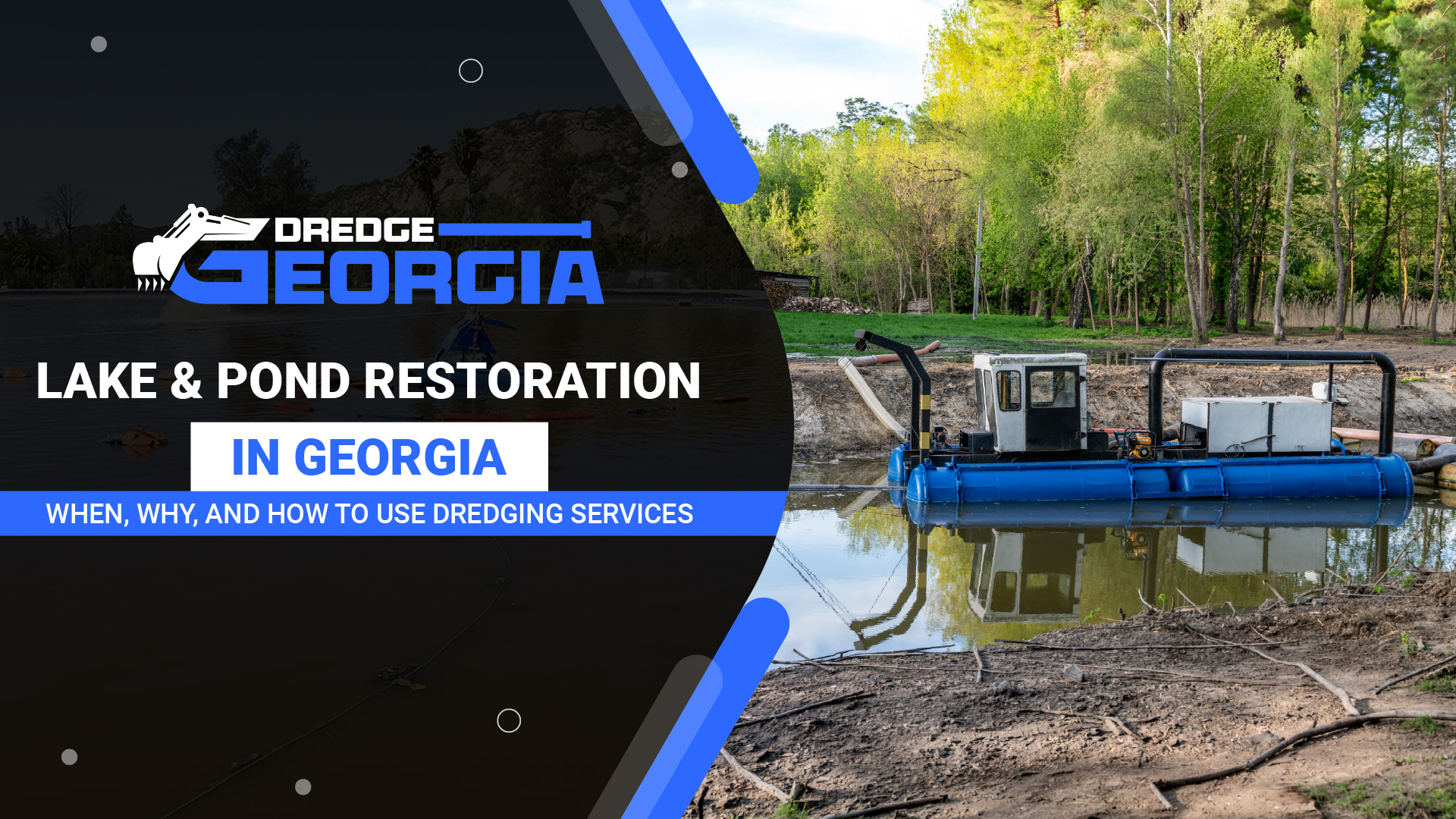
Lakes and ponds are more than just visual features across Georgia. They serve practical roles in stormwater management, irrigation, wildlife support, and recreation. Many property owners are also tied directly to land value and long-term usability. Over time, however, even well-built water bodies begin to deteriorate. Sediment slowly accumulates, water depth declines, and water quality deteriorates. When these changes reach a tipping point, lake and pond dredging becomes one of the most reliable solutions available.
Across Georgia, this is a common story. A pond that once supported fishing becomes choked with algae. A lake that held stable water levels now struggles to manage runoff after storms. These issues rarely appear suddenly. They develop gradually, often going unnoticed until performance declines significantly. Understanding when restoration is necessary, why lake and pond dredging works, and how professional Georgia dredging services approach these projects allows property owners to act before problems become costly.
Dredge Georgia has earned its reputation by delivering restoration solutions tailored to Georgia’s environmental conditions, helping clients restore function rather than simply treating surface symptoms.
What Is Lake & Pond Dredging?
Definition & Purpose
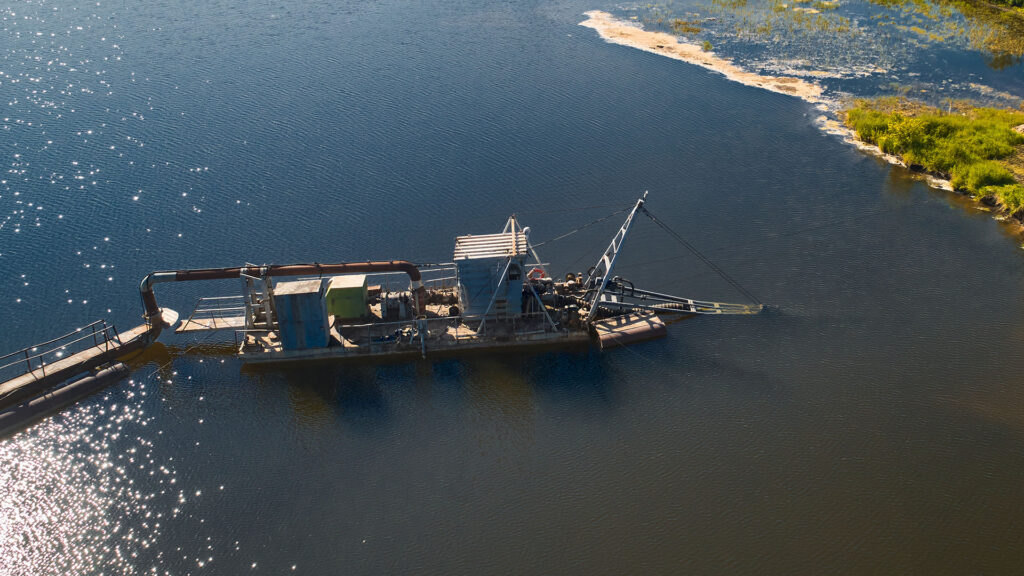
Lake and pond dredging is the process of removing accumulated sediment, organic material, and debris from the bottom of a lake or pond. Over time, fine soil particles, decomposed plant matter, and other materials settle on the bottom, gradually reducing water depth. Dredging physically removes this buildup, restoring the water body’s original depth and shape.
The purpose of lake and pond dredging goes beyond appearance. By removing excess sediment, dredging helps rebalance the aquatic environment. Deeper water holds oxygen more effectively, supports healthier fish populations, and reduces conditions that promote excessive algae growth. In this way, dredging plays an important role in maintaining ecosystem balance and the long-term functionality of ponds and lakes.
Natural Causes of Sediment Buildup
Sediment accumulation is a natural process, especially in Georgia’s environment. Common natural contributors include shoreline soil erosion, runoff from heavy rain events, and changes in the surrounding watershed. As rainwater flows into a pond or lake, it carries fine particles that eventually settle at the bottom. Over time, even small amounts of erosion can significantly reduce depth.
Human-Driven Causes
Human activity often accelerates sediment buildup. Construction projects disturb soil and increase runoff, while agricultural operations can introduce loose sediment and nutrients into nearby water bodies. Recreational use, such as boating or shoreline access, can also contribute to erosion and sediment movement, especially in older or shallow ponds.
How Dredging Differs from Other Restoration Methods
Unlike methods such as aeration, vegetation management, or grass carp, lake and pond dredging addresses the root cause of many pond problems. Aeration improves oxygen levels, and vegetation control manages plant growth, but neither removes accumulated sediment. Dredging restores physical depth, making subsequent restoration efforts more effective and longer-lasting.
Why Georgia Lakes & Ponds Need Restoration
Ecological Indicators
Many Georgia lakes and ponds show clear ecological warning signs as they age. One of the most common indicators is low dissolved oxygen, especially during warmer months. Shallow water warms quickly, reducing oxygen availability and stressing fish and other aquatic life. In more severe cases, this can result in fish kills or a noticeable decline in fish populations.
Algae blooms are another frequent sign of imbalance. Excess nutrients trapped in accumulated sediment fuel algae growth, which further depletes oxygen and reduces water clarity. As algae and organic matter decay, the problem compounds, creating a cycle that is difficult to break without intervention.
Functional Impacts
As sediment continues to build up, water depth decreases across large areas of the lake or pond. Reduced depth limits recreational usability, making activities such as fishing, boating, or irrigation less reliable or no longer possible. Stormwater ponds may also lose storage capacity, reducing their ability to manage runoff during heavy rainfall.
Shallower, sediment-filled ponds often require more frequent maintenance, including repeated vegetation control or chemical treatments. These ongoing costs can add up over time and may negatively affect property value, particularly for residential communities or commercial sites where water features play a key role.
Environmental & Community Benefits of Restoration
Restoring lakes and ponds delivers benefits that extend beyond the water itself. Improved water quality supports healthier aquatic ecosystems and greater biodiversity. Restored depth and capacity also enhance stormwater management, helping reduce flooding and erosion in surrounding areas. For communities and property owners across Georgia, restoration protects both environmental health and long-term land value.
When to Use Dredging Services
Not every pond problem requires immediate dredging, but there are clear situations where dredging becomes the most practical solution. Lake and pond dredging is typically recommended when sediment buildup has reduced depth enough to interfere with water storage, water quality, or intended use.
Dredging is commonly appropriate when:
- Large areas of the pond or lake have lost noticeable depth
- Algae and weeds return quickly after treatment
- Stormwater capacity has been reduced
- Recreational or irrigation use is no longer reliable
Timing also plays an important role. In Georgia, dredging projects are often planned around seasonal weather patterns, site access, and environmental considerations. A professional evaluation helps determine whether lake and pond dredging should be done immediately or combined with other restoration measures first.
Pond Restoration Techniques (Beyond Dredging)
- Comprehensive Approach Explained
Dredging plays a critical role in restoring lake and pond depth, but it is rarely a complete solution. Successful restoration requires a comprehensive approach that addresses both existing conditions and future risks. Dredging removes accumulated sediment, but without additional measures, the same issues can return over time. This is why experienced professionals view dredging as one tool within a broader restoration strategy rather than a standalone fix.
- Aeration Systems
Aeration systems are commonly used to improve oxygen levels throughout the water column. By increasing oxygen circulation, aeration supports healthier fish populations and reduces conditions that encourage algae growth. Improved oxygen levels also help organic material break down more efficiently, contributing to clearer water and a more stable aquatic environment.
- Vegetation & Weed Control
Managing aquatic vegetation is another important component of pond restoration. Mechanical removal can physically reduce dense plant growth, while targeted herbicide applications can help control invasive species when used responsibly. In some cases, biological controls such as grass carp are introduced to manage vegetation naturally. The goal is not to eliminate plants, but to maintain a balanced level that supports pond health.
- Erosion Control & Buffer Zones
Erosion along shorelines and surrounding land is a major source of sediment buildup. Establishing buffer zones with native vegetation helps stabilize soil and filter runoff before it reaches the pond. These buffers slow water flow, trap sediment, and reduce debris entering the water body during rain events.
- Nutrient Management Strategies
Excess nutrients, such as phosphorus and nitrogen, directly contribute to algal blooms. Managing nutrient inputs through runoff control, responsible fertilizer use, and improved drainage helps limit algae growth and improve overall water quality.
- Integrated Pond Management Plans
Long-term success comes from combining dredging with these supporting measures. Integrated pond management plans combine dredging, aeration, vegetation control, erosion prevention, and nutrient management to deliver lasting results and reduce maintenance over time.
Step-by-Step: How Lake & Pond Dredging Works
- Initial Consultation & Site Analysis
Every successful project begins with a detailed consultation and site evaluation. Dredge Georgia assesses water depth, sediment type, shoreline conditions, and site access to determine the most effective dredging approach. Understanding these factors early allows Georgia dredging services to plan efficiently and avoid unnecessary disruption during dredging.
- Permitting & Regulatory Considerations
Dredging projects in Georgia often require environmental permits or approvals, depending on the size and location of thewater bodyy. Dredge Georgia manages this process by identifying applicable regulations and coordinating required documentation. Experienced Georgia dredging services ensure compliance while keeping projects on schedule.
- Equipment Selection
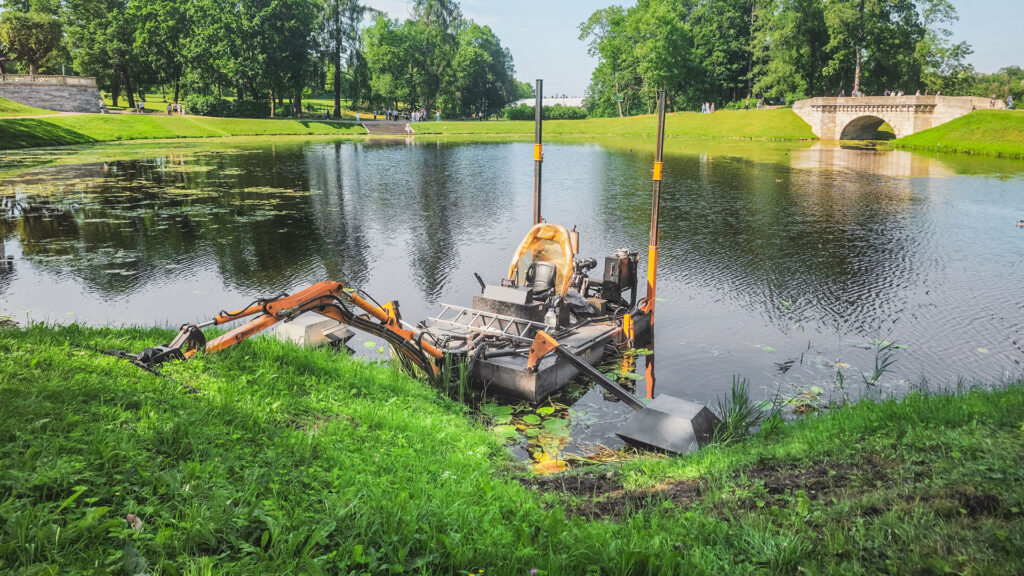
Equipment selection depends on site conditions and restoration goals. Hydraulic dredging is commonly used for fine sediment and in deeper areas, while mechanical dredging may be better suited for heavier material or limited-access sites. Choosing the right method improves efficiency and supports long-term pond restoration techniques.
- Execution Phase
Once mobilized, the execution phase begins with containment planning to control sediment movement. Dredging is performed systematically, followed by dewatering and responsible sediment disposal. This step restores depth while protecting surrounding land and infrastructure.
- Post-Dredge Monitoring
After dredging, water quality is monitored to ensure stability. Revegetation and maintenance schedules are often recommended as part of broader pond restoration techniques to protect the results.
- Safety & Environmental Measures
Throughout the project, measures are taken to minimize turbidity, protect aquatic life, and prevent shoreline erosion, ensuring dredging is both effective and environmentally responsible.
Why Choose Dredge Georgia for Your Restoration Project
Company Overview
Dredge Georgia focuses on restoring and protecting lakes and ponds throughout the state with solutions designed for long-term performance. The company’s mission centers on improving waterbody function, water quality, and usability rather than offering short-term fixes. With years of hands-on experience and a strong presence across Georgia, Dredge Georgia serves residential landowners, agricultural operations, commercial properties, and community-managed water systems. Local expertise allows the team to understand how Georgia’s soil types, rainfall patterns, and land use affect restoration outcomes.
Expertise in Lake & Pond Dredging
Lake and pond dredging requires more than equipment. It requires practical experience and an understanding of site-specific conditions. Dredge Georgia has extensive experience working on both small private ponds and larger commercial or community lakes. This range allows the team to scale solutions appropriately while maintaining efficiency and consistency. Each project benefits from an understanding of how sediment behaves in Georgia environments and how to remove it effectively without unnecessary disruption.
Customized Restoration Plans
No two water bodies are the same. Dredge Georgia develops customized restoration plans based on individual site goals, sediment conditions, access limitations, and future use. Whether the objective is improving water quality, restoring depth, or increasing stormwater capacity, each plan is tailored to meet specific needs while reducing the likelihood of recurring issues.
Advanced Equipment & Technology
Modern dredging equipment and proven methods are used to improve accuracy, efficiency, and environmental care. This allows projects to be completed effectively while preserving surrounding land and aquatic conditions.
Case Example: A Successful Georgia Restoration Project
A privately owned lake in Georgia had gradually filled with sediment over several decades. Water depth had decreased significantly, algal growth had become frequent, and shoreline erosion threatened nearby structures.
After a thorough evaluation, Dredge Georgia implemented lake and pond dredging combined with shoreline stabilization and follow-up management. Sediment removal restored depth and improved circulation. Water clarity improved, algae growth declined, and the lake returned to reliable use.
This project illustrates how experienced Georgia dredging services deliver measurable improvements when restoration is approached correctly.
Costs & Planning Considerations
Factors Affecting Price
The cost of dredging varies by project, as no two lakes or ponds share the same conditions. One key factor is the water body’s overall size. Larger lakes or ponds require more material to be removed, which directly affects time and equipment needs. Sediment volume is equally important. A shallow pond with heavy buildup may require more extensive dredging than a deeper waterbody with minimal accumulation.
Access challenges also influence pricing. Limited entry points, surrounding infrastructure, or sensitive shorelines can affect how equipment is mobilized and operated. Experienced Georgia dredging services evaluate these factors early to provide realistic cost expectations and avoid surprises during execution.
Long-Term ROI
While lake and pond dredging represents an upfront investment, it often delivers strong long-term returns. Restored depth improves water quality, reduces algae growth, and supports healthier aquatic life. These improvements reduce ongoing maintenance costs for vegetation control and water treatment. Property owners often see increased land value when lakes and ponds are well-maintained, as they enhance visual appeal and usability.
When combined with effective pond restoration techniques, dredging also enhances ecosystem services, including stormwater management and erosion control. Over time, these benefits often outweigh the initial project cost.
Financing & Project Phasing Options
For budget-conscious clients, dredging need not be completed in a single phase. Many Georgia dredging services offer project phasing options that allow restoration to be completed in stages. This approach spreads costs over time while still delivering measurable improvements at each stage.
Phased dredging, paired with complementary pond-restoration techniques, enables property owners to manage budgets effectively without sacrificing long-term restoration goals.
Recap: When, Why, and How Restoration Makes a Difference
Across Georgia, lakes and ponds play an essential role in environmental health, stormwater management, recreation, and property value. Over time, sediment buildup, declining water quality, and reduced depth can limit the functionality of these water bodies. Knowing when intervention is needed, why problems occur, and how solutions are applied is critical to long-term success. Lake and pond dredging restores lost depth, improves circulation, and removes nutrient-rich sediment that fuels algae and vegetation growth. When paired with proven pond-restoration techniques, dredging helps restore balance and extend the usable life of lakes and ponds throughout the state.
Every water body is unique, which is why a professional evaluation matters. Dredge Georgia provides experienced Georgia dredging services that begin with a thorough site assessment and lead to customized restoration plans. Whether the goal is improving water quality, restoring depth, or reducing long-term maintenance, working with trusted Georgia dredging services ensures the right approach is taken from the start. Property owners are encouraged to contact Dredge Georgia for project evaluations, clear cost estimates, and tailored restoration solutions.
Investing in lake and pond dredging is more than a maintenance decision. It is an investment in long-term land value, environmental stability, and community enjoyment. When dredging is combined with thoughtful pond restoration techniques, the benefits extend far beyond the water itself, protecting Georgia’s natural heritage for years to come.