Email Us: sales@dredgegeorgia.com
The Role of Dewatering Equipment in Georgia Dredging Projects

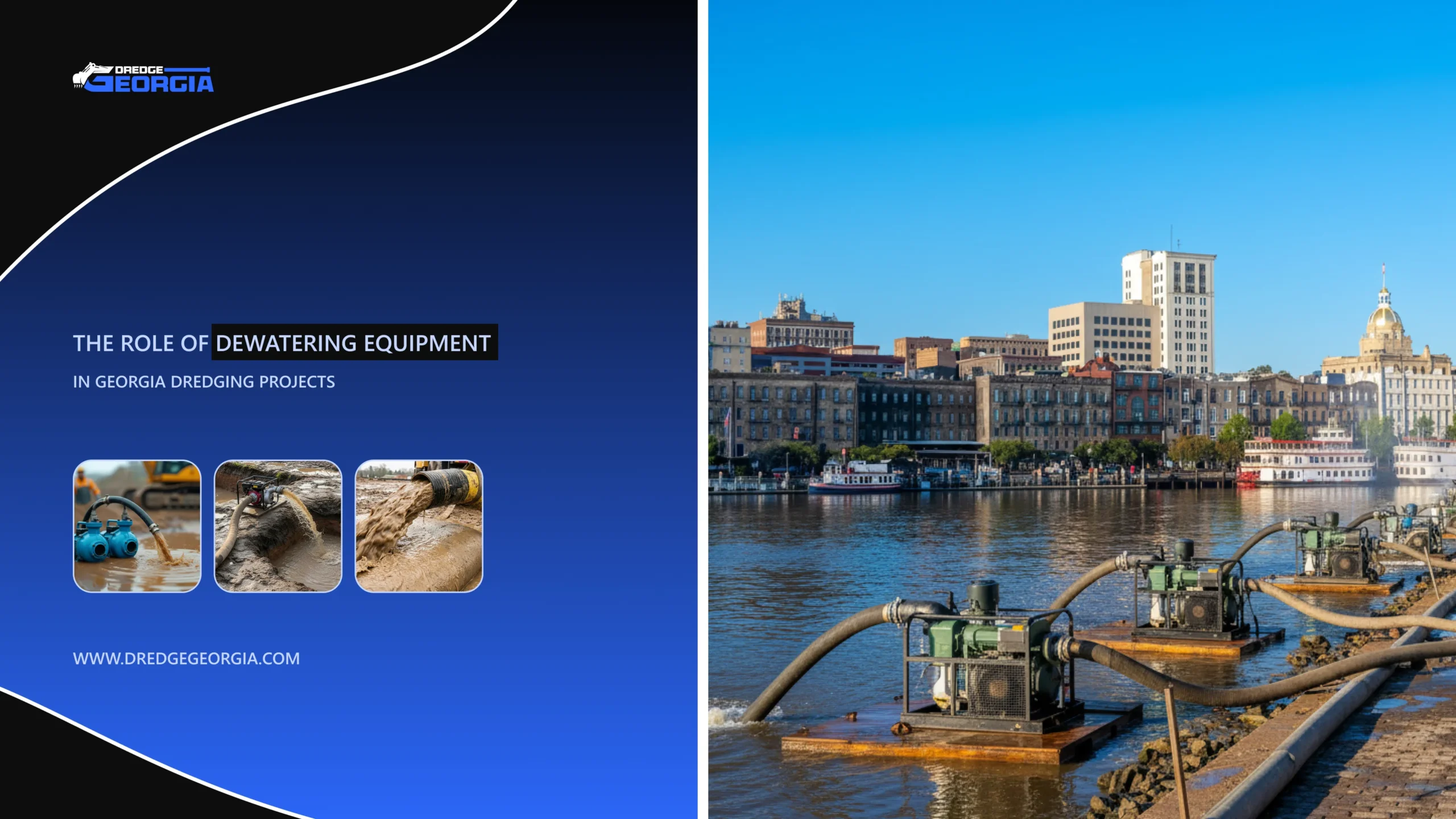
Georgia’s landscape is defined by water. From the tidal marshes surrounding Savannah to the broad agricultural river corridors of the Chattahoochee, Flint, and Ocmulgee, water shapes how land is used, protected, and developed across the state. These waterways support farming, transportation, flood control, and growing communities. Keeping them functional requires ongoing dredging and careful water management.
In Georgia dredging projects, managing water is often the first and most important step. Saturated soils, high water tables, and unpredictable weather patterns can quickly turn an active site into an unsafe or unworkable area. This is why dewatering is not a secondary task. It is a core component of responsible dredging and construction across Georgia.
Dewatering allows contractors to control groundwater and surface water, enabling excavation, dredging, and infrastructure work to proceed safely and efficiently. Without the right approach, projects face delays, safety risks, and environmental concerns. With the right equipment and planning, dewatering becomes a powerful tool for stability, compliance, and productivity.
Dredge Georgia has built its reputation by understanding these realities. With deep local knowledge and proven field experience, the company is recognized across the state as the most trusted provider of dewatering equipment and construction dewatering solutions tailored specifically for Georgia conditions.
What Is Dewatering and Why Does It Matter in Dredging
Dewatering is the controlled removal of water from soil or excavation areas to create stable working conditions. In dredging, it allows crews to manage groundwater seepage, surface runoff, and residual water that accumulates during excavation and sediment removal.
In practical terms, dewatering transforms soft, unstable ground into a surface that can support equipment, personnel, and ongoing work. For agricultural waterway dredging, this is especially important. Farm canals, drainage ditches, and riverbanks often contain fine sediments that become unstable when saturated. Removing excess water improves soil strength and reduces the risk of collapse.
The benefits of effective dewatering equipment are clear in Georgia dredging environments. It stabilizes excavation zones, improves visibility and access for crews, and reduces the chance of sediment migration into nearby waterways. It also supports safer working conditions by minimizing slips, equipment bogging, and structural failures.
In Georgia, where environmental oversight is strict and waterways are closely monitored, dewatering also helps protect surrounding ecosystems. Controlled water removal limits turbidity, protects downstream habitats, and supports compliance with state and local regulations.
The Types of Dewatering Equipment Used in Georgia Dredging
Different sites require different approaches. Soil composition, water depth, project scale, and environmental sensitivity all influence equipment selection. Georgia dredging projects often rely on a combination of systems to address these variables.
- Sump Pumps
Sump pumps are among the simplest and most cost-effective dewatering tools. They are commonly used in shallow excavations where water collects in localized low points. In agricultural dredging projects across rural Georgia, sump pumps are frequently deployed to manage surface water during canal maintenance or small-scale drainage improvements.
These pumps are easy to install and move, making them ideal for short-duration tasks or sites with limited access. Along inland waterways and farm drainage projects, sump pumps provide quick relief from pooling water without requiring extensive setup.
- Well Points and Deep Wells
Well point systems and deep wells are selected when groundwater levels are high or when excavation depths exceed what surface pumping can manage. These systems lower the water table by drawing groundwater away from the work area.
In metro Atlanta and regions near Albany, soil conditions often include sandy layers that respond well to well point systems. These systems are commonly used for large construction sites, roadway improvements, and flood control dredging where consistent groundwater control is required.
Deep wells are used for larger projects that require removing water from deep depths. They are especially effective in river valley areas where groundwater pressure is constant and persistent.
- Turbine and Submersible Pumps
Turbine and submersible pumps are heavy-duty solutions designed for high-volume water movement. In coastal Georgia, near Savannah ports and industrial dredging zones, these pumps are essential for managing tidal inflows and large-scale water intrusion.
These systems can operate continuously under demanding conditions. They are commonly paired with monitoring systems to ensure stable discharge rates and protect surrounding waterways during Georgia dredging operations.
- Filtration and Separation Systems
Water removed during dewatering often contains suspended solids. Filtration and separation systems, such as clarifiers and geotextile bags, are used to remove sediment before discharge.
In Georgia, these systems are critical for meeting environmental permit requirements. They prevent fine sediments fromre-enteringg rivers and wetlands, protecting downstream ecosystems. Dredge Georgia integrates filtration into its dewatering equipment setups to ensure compliance and responsible water management.
Dewatering Challenges Unique to Georgia
Georgia presents distinct challenges that influence dewatering strategies. Understanding these conditions is essential for successful project planning.
- Coastal and Tidal Influences
Coastal dredging near the Altamaha River Delta and barrier islands requires working around tidal cycles. Rising tides can quickly overwhelm unprepared sites, while saltwater intrusion can introduce corrosion and equipment wear.
Dewatering equipment used in these areas must be durable and adaptable. Timing, pump capacity, and discharge planning all play a role in managing tidal effects without disrupting surrounding habitats.
- High Water Table Regions
Much of South Georgia features naturally saturated soils and high water tables. Agricultural drainage projects in these regions depend heavily on reliable dewatering equipment to maintain workable conditions.
In river valleys, groundwater can rapidly replenish excavation zones. This increases reliance on continuous pumping systems and careful monitoring to maintain stability throughout the project lifecycle.
- Weather Impacts
Georgia’s climate brings heavy rains, seasonal storms, and occasional hurricane runoff. These weather patterns can alter site conditions with little warning.
Construction dewatering solutions must be flexible enough to respond to sudden inflows. Adjusting pump capacity, discharge routing, and filtration methods helps minimize downtime and keep projects on schedule despite weather disruptions.
How Dewatering Equipment Enhances Project Efficiency
Effective water control directly affects how efficiently a dredging project progresses. In Georgia, where soil saturation and groundwater pressure are common, properly selected dewatering equipment allows crews to maintain consistent progress rather than react to constant water intrusion.
When excess water is removed early and continuously, excavation areas remain stable. Equipment can operate without sinking or stalling, and access roads stay passable for hauling and material handling. This stability shortens overall construction timelines by reducing unplanned stoppages and rework.
Safety improvements are another major source of efficiency gains. Standing water increases slip hazards, trench instability, and the risk of equipment failure. Construction dewatering solutions help reduce these hazards by keeping work zones dry and predictable. Fewer safety incidents mean fewer delays and lower indirect project costs.
Across Georgia, real-world examples clearly show these benefits. Municipal dredging projects in Augusta have relied on coordinated dewatering equipment setups to keep sediment removal on schedule during fluctuating river levels. Dam maintenance work along the Coosa River has used staged pumping systems to allow repairs without extended shutdowns. Canal expansion efforts near Macon have demonstrated how proper groundwater control can keep agricultural drainage projects moving even during wet seasons.
In each case, the ability to control water translated into measurable gains in productivity, scheduling reliability, and workforce safety.
Environmental and Regulatory Considerations
Georgia places strong emphasis on protecting waterways, wetlands, and downstream ecosystems. Any Georgia dredging project involving water removal must comply with discharge and sediment control requirements set by the Georgia Environmental Protection Division.
Dewatering activities often involve moving large volumes of water, which may contain suspended soil particles. Without proper management, this discharge can increase turbidity and impact nearby streams or agricultural lands. This is where well-planned dewatering equipment becomes essential for compliance.
Modern construction dewatering solutions integrate filtration methods, including clarifiers, settling tanks, and geotextile containment systems. These systems remove sediment before water is returned to the environment. Flow rates are carefully controlled to prevent erosion or downstream flooding.
Dredge Georgia designs dewatering systems with regulatory compliance in mind from the start. By aligning equipment selection with permit conditions, projects avoid violations, stop work orders, and costly corrective actions. This proactive approach protects both the project schedule and Georgia’s natural resources.
Real Georgia Project Spotlights
- Project A: Port Enhancement Near Savannah
A port improvement project near Savannah required extensive dredging in a tidal environment. Daily water-level changes exerted constant pressure on excavation zones. High-capacity dewatering equipment was deployed to manage inflows and maintain dry work areas during active dredging windows.
The system handled significant water volumes while incorporating filtration to meet discharge requirements. As a result, the project experienced fewer weather-related delays and maintained steady progress throughout tidal cycles.
- Project B: Construction Dewatering for a Commercial Development in Atlanta
A large commercial construction site in the Atlanta metro area faced high groundwater levels and sandy soil conditions. A well point system was installed to lower the water table across the excavation footprint.
Continuous monitoring ensured stable groundwater control, allowing foundation work to proceed safely. The use of targeted construction dewatering solutions reduced delays by several weeks and helped the contractor stay within budget.
- Project C: Flood Mitigation Along the Flint River
A flood mitigation initiative along the Flint River focused on improving channel capacity and reducing overflow risks. Dewatering equipment was paired with sediment filtration systems to control water during excavation.
The approach reduced sediment migration and allowed work to continue during variable river flows. Project stakeholders reported improved coordination, reduced environmental impact, and faster completion compared to previous efforts in the area.
Why Choose Dredge Georgia for Dewatering Solutions
Dredge Georgia stands apart because of its deep understanding of Georgia’s geotechnical and hydrological conditions. From coastal marshlands to inland agricultural waterways, the team knows how soil, water, and weather interact across the state.
The company offers end-to-end support, including site evaluation, equipment selection, mobilization, on-site technical guidance, and maintenance throughout the project. This ensures dewatering equipment performs as intended under real field conditions.
Dredge Georgia maintains a broad portfolio of reliable systems, from portable pumps for small agricultural projects to large-scale industrial solutions for major Georgia dredging operations. Each setup is customized rather than standardized.
Contractors, engineers, and public agencies across Georgia consistently cite reliability, responsiveness, and cost control as key reasons they choose Dredge Georgia. The company’s construction dewatering solutions are built around practical results, not generic specifications.
How to Get Started: Planning Your Dewatering Strategy
Successful dewatering begins during the planning phase, not after water becomes a problem. Project leaders should start by identifying site-specific conditions such as soil composition, groundwater depth, and nearby waterways.
Key questions include how much water is expected, where discharge will occur, and how weather patterns may affect operations. Understanding these factors helps determine the right combination of dewatering equipment and filtration methods.
Dredge Georgia conducts detailed site assessments to answer these questions. The team develops custom plans based on project goals, timelines, and regulatory requirements. Preparing soil reports, water table data, and construction schedules in advance allows for faster mobilization and fewer surprises once work begins.
Additional Resources for Georgia Project Leaders
Georgia project leaders benefit from staying informed about dredging and water management requirements. The Georgia Environmental Protection Division provides guidance on discharge permits, sediment control, and environmental compliance related to dewatering activities.
Understanding common terminology helps improve coordination between contractors, engineers, and regulators. Familiarity with terms related to pumps, filtration systems, and groundwater control reduces miscommunication during planning and execution.
Frequently asked questions often focus on selecting dewatering equipment, monitoring discharge, and adapting projects to heavy rainfall or seasonal changes. Addressing these questions early supports smoother Georgia dredging operations.
Water control is one of the most critical factors in the success of any dredging or construction project in Georgia. Without a clear dewatering strategy, even well-planned work can face delays, safety risks, and regulatory challenges.
Dredge Georgia offers the experience, equipment, and local knowledge needed to manage water effectively from start to finish. Whether your project involves agricultural waterways, municipal infrastructure, or commercial development, the right dewatering equipment makes the difference.
Contact Dredge Georgia today to schedule a site evaluation or request a quote. With fast response times, a strong local presence, and free consultations, Dredge Georgia continues to set the standard for construction dewatering solutions across Georgia.